For KALW, a Bay Area-based community radio station, I produced a three-part series on local zine culture. Listen below!
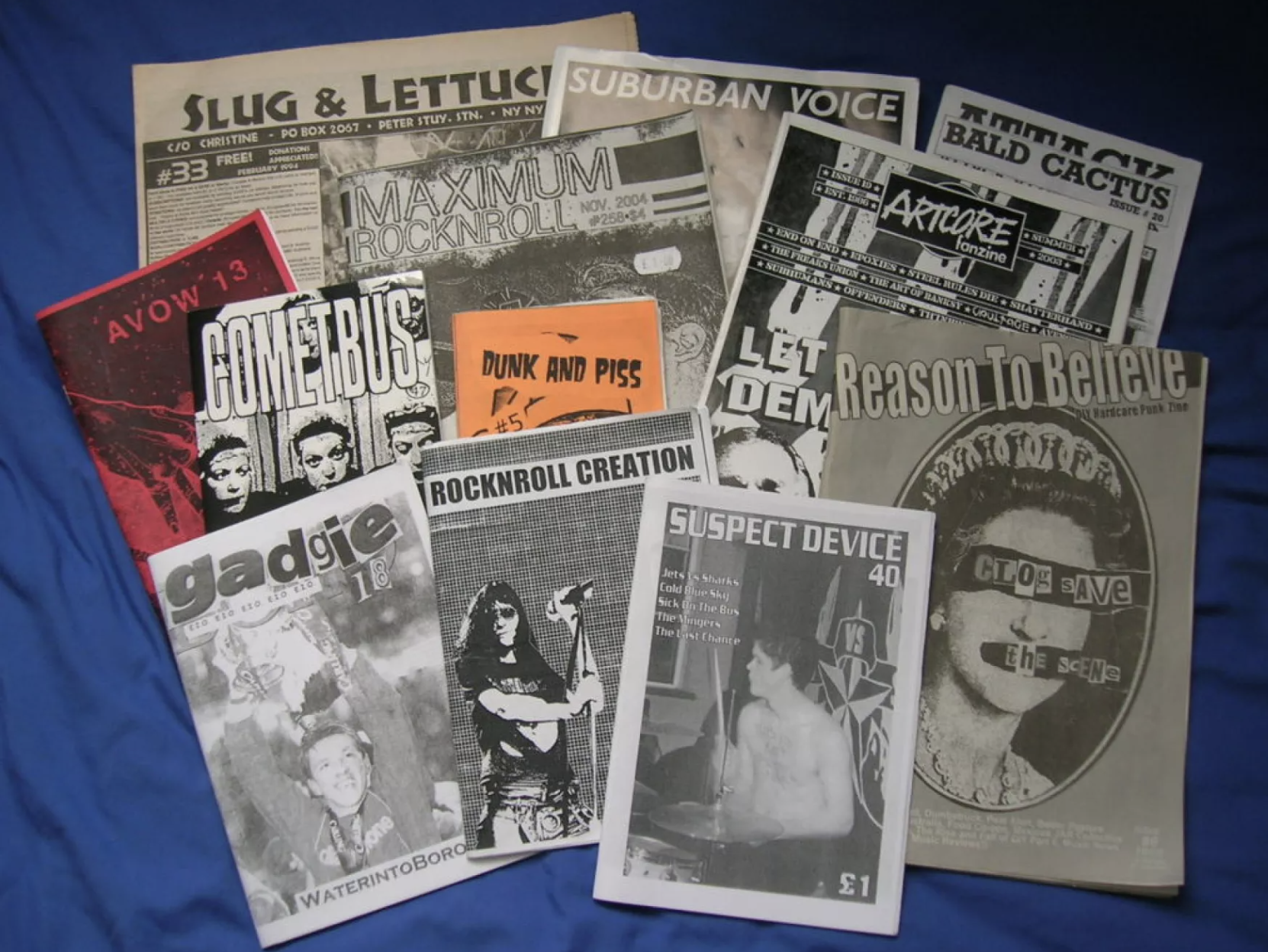
“Prelinger Library is preserving thousands of zines and ephemeral media” KALW, July 2025
July is International Zine Month. Zines, short for “fanzine” or “magazine,” emerged as a DIY medium in the 1920’s and 1930’s, when Harlem Renaissance writers and science fiction lovers self-published booklets with their personal musings.
The medium continued to expand over the decades, and reached a new peak in the 1970’s with the rise of photocopying machines and punk culture.
Zine culture is deeply rooted in San Francisco’s underground scenes. Artists and writers experiment with binding techniques, poetry, writing, and illustration to create zines that examine queerness, activism, community-building, politics and personal stories on their own terms. Today, the fluidity of the form continues to evolve. Places like the Prelinger Library document its history.
It’s easy to get lost in the labyrinth of halls that houses the Prelinger Library, but at the end of the way I find myself in a room with several tall shelves filled with books, maps, and other ephemera. I meet Rick and Megan Prelinger, the library’s founders, who show me around the archive — which holds more than 7,000 zines.
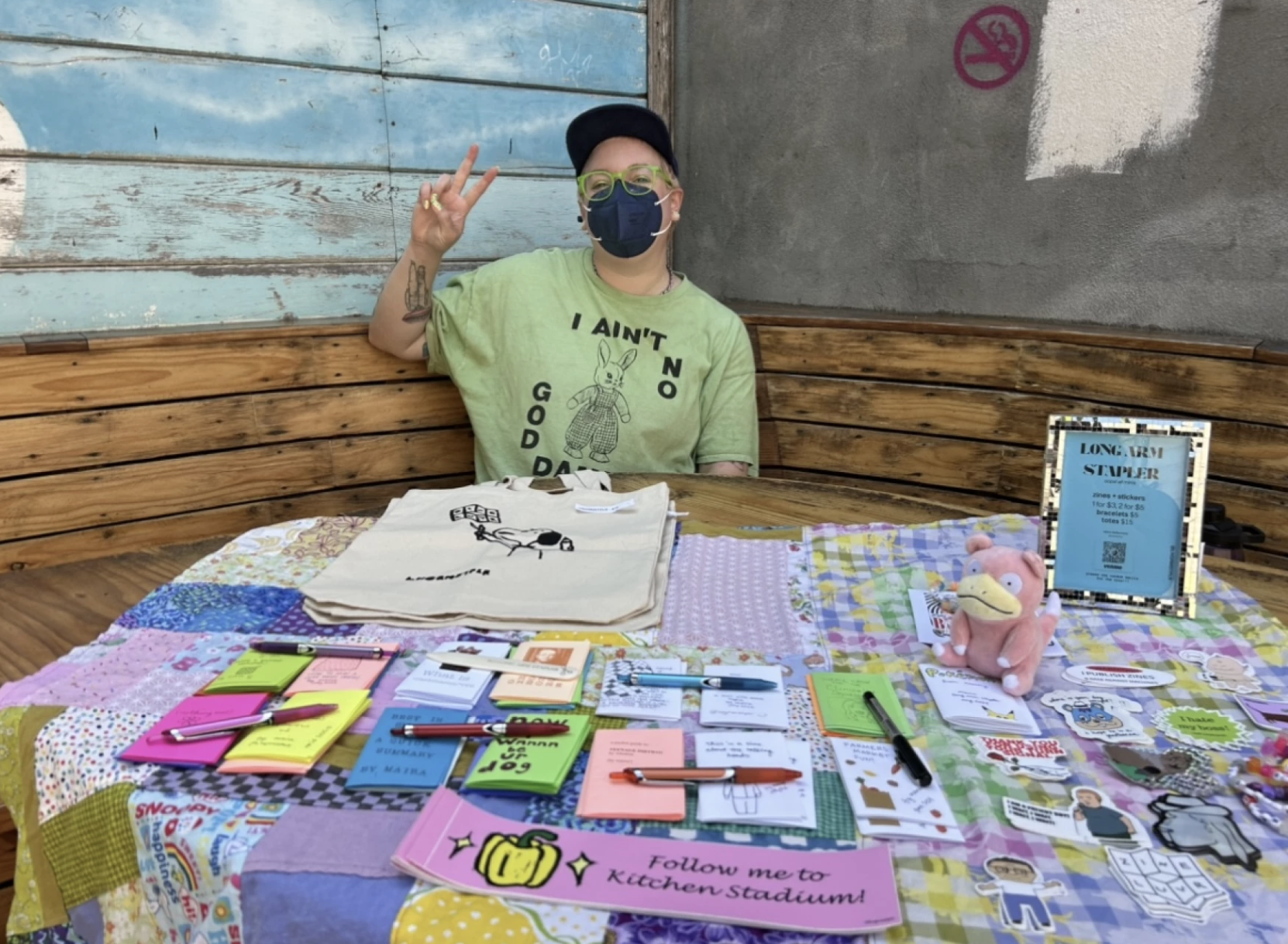
“Zine fests are creative and personal havens for local artists” KALW, July 2025
Last week, we took you to the Prelinger Library to learn about the history of zine making. This week, we bring you to a zine party in the Mission.
A 1984 dark wave hit by the iconic drag queen Divine drifts out from the dim interior of the Mission District bar Mothership out onto its sunny patio, where a small group of people are setting up tables with zines, stickers, and other handmade goods for a kickoff party celebrating International Zine Month.
Since the early 2000s, the Bay Area has been home to spaces like the San Francisco Zine Fest, the East Bay Alternative Book and Zine Fest, and the Bay Area Queer Zine Fest. They are places for zine lovers to hang out, find community, and explore this art form.
At the zine party I went to, I saw zines on a range of topics - queer video game theory, grief guides, snail poems, genderless fashion inspiration, and comics about daily life.
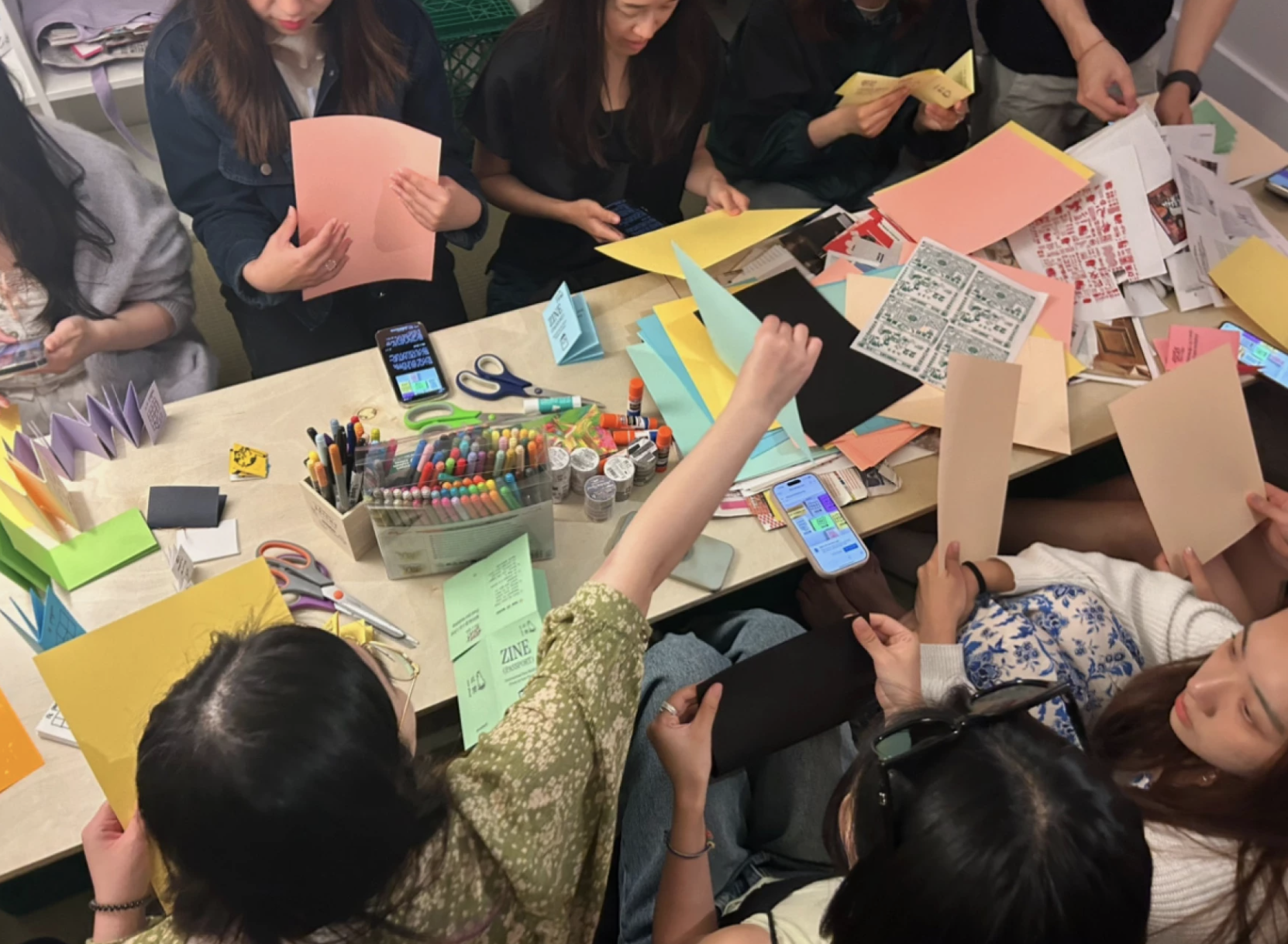
“SF’s newest zine space is building a bilingual world” KALW, July 2025
This week, KALW's Kristie Song takes us to a workshop at Now Place, a new space that centers bilingual zines in the heart of Chinatown.
"So maybe before we start zine-ing, a quick show of hands…How many of you all are comfortable speaking Mandarin?" asks Yibing Du. "How many, English?"
It’s Sunday and a dozen people are gathered in a cozy loft with writer and workshop host Yibing Du. They're huddled around a large, rectangular table littered with magazine clippings, cardstock, and pens – and lots and lots of zines.
This space is dedicated to building community in the Asian diaspora. Many of the workshop participants immigrated from or lived in China for several years. The theme for the day: reflecting on family recipes and food that’s reminiscent of home. For Julia Han, it’s a kou shui ji recipe from her dad.
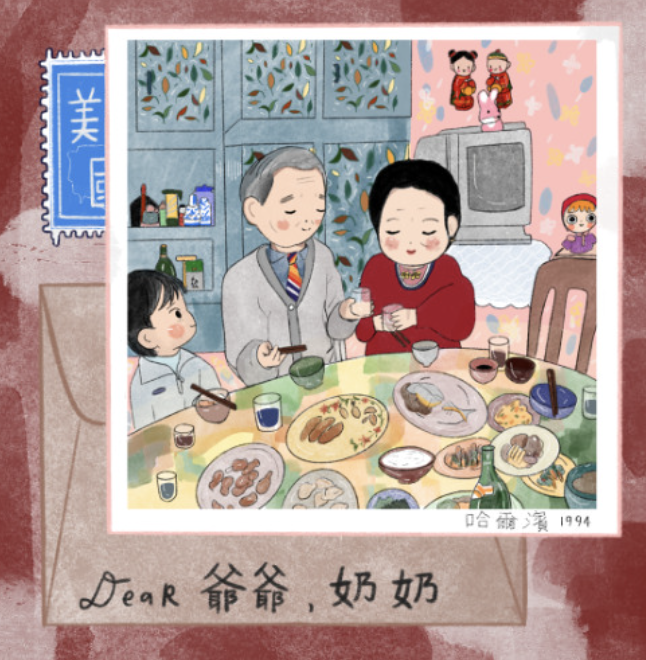
“The Empty Restaurant: A Lost Cuisine” University of California Irvine, 2019
In one of my introductory journalism courses at UCI, I created a short audio documentary around a single afternoon with Reno Yu, a struggling restaurant owner who felt his relationship with food and identity fragment over time while cooking Chinese cuisine that never tasted like home.